
Amazon as a Data Goldmine
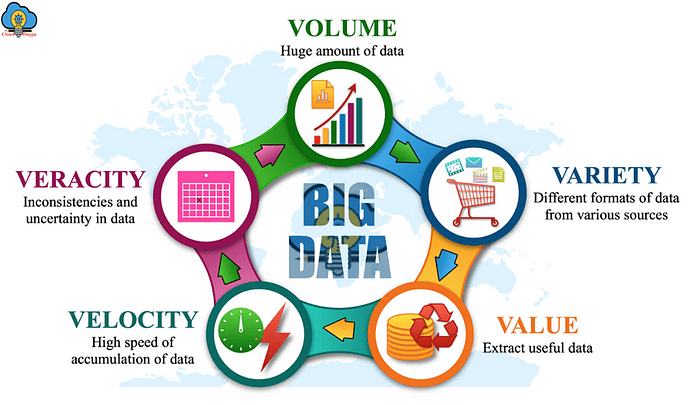
As one of the world’s largest e-commerce platforms, Amazon houses a colossal amount of data. For sellers, market analysts, and researchers, efficiently extracting this data from Amazon poses a significant challenge. This article delves into the current state of Amazon data scraping, its inherent difficulties, introduces mainstream solutions and their drawbacks, and spotlights the features, similarities, and differences between the Pangolinfo Scraper API and Pangolinfo Scraper. A comprehensive analysis from multiple angles aims to assist readers in making an informed decision when selecting Amazon data scraping tools.
Status Quo and Challenges of Amazon Data Scraping Current Status Data on Amazon encompasses product details, pricing, reviews, sales rankings, all of which are vital for sellers to optimize products, devise marketing strategies, and conduct market analyses. However, Amazon does not openly provide direct data access interfaces, rendering data scraping a complex and daunting task.
Amazon Data Scraping Challenges
- Anti-scraping Mechanisms: Amazon employs robust anti-scraping systems that easily detect and block conventional scraping attempts.
- Massive Data Volume: The sheer volume of data on Amazon makes manual collection inefficient and prone to missing critical information.
- High Technical Barrier: Effective web scraping necessitates specialized programming skills and extensive experience, beyond the reach of average users.
- Legal Risks: Improper data scraping activities may violate Amazon’s terms of use and potentially incur legal repercussions.
Mainstream Solutions and Their Shortcomings Typical Approaches
- Building Your Own Scraper
- Using Third-party Data Services
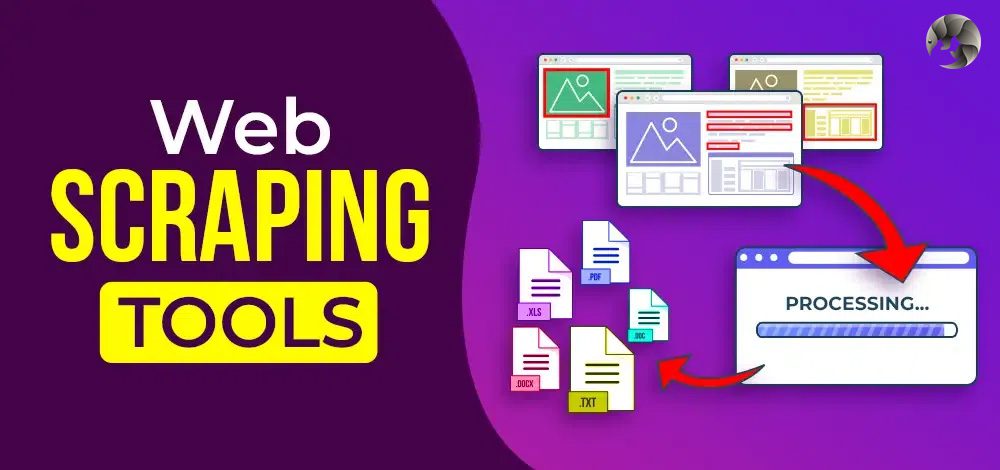
- Leveraging Web Scraping Tools
Drawbacks
- Homemade Scrapers demand high-level coding abilities, entail substantial maintenance costs, and are susceptible to Amazon’s anti-scraping defenses.
- Third-party Data Services can be costly and may not align perfectly with user needs.
- While Web Scraping Tools simplify operations, they often impose limitations on data volume and frequency, unsuitable for large-scale data extraction.
Characteristics of Scraper API and Pangolinfo Scraper Scraper API Scraper API is a powerful data scraping tool tailored for users requiring bulk data extraction with some technical proficiency.
Advantages
- Lower Cost: Compared to manual methods, Scraper API enables mass data acquisition at a reduced cost.
- Efficiency: Rapidly acquires vast amounts of data, enhancing work productivity.
- Automation: Integrates into clients’ existing data processing systems for automated scraping.
- Flexibility: Customizable to collect specific data based on user requirements and frequency.
Target Users & Environments
- Data Analysts needing extensive data for market research.
- Technical Teams capable of integrating APIs into their systems.
- Large and Medium-sized Enterprises with substantial data demands and processing capabilities.
Pricing Model Scraper API operates on a usage-based fee structure, charging per call or data volume. Users select plans according to their needs, with the assurance of only paying for successful requests.
Pangolinfo Scraper Pangolinfo Scraper, built upon Scraper API, is a visual data scraping tool designed to lower the entry barrier for non-technical users.
Benefits
- Visual Operation: No programming required through a graphical interface.
- User-Friendliness: Simplified setup process for data collection tasks.
- Low Entry Barrier: Ideal for small-to-medium sellers and individual users without technical support.
- Seamless Integration: Connects effortlessly with Scraper API for efficient and stable data flow.
Target Users & Environments
- Small and Medium Sellers lacking a technical team.
- Individual Users seeking Amazon data for market research or personal projects.
- Startups with modest data needs and limited technical resources.
Pricing Scheme Pangolinfo Scraper charges based on features and data volume, offering various plans adaptable to users’ actual needs.
Overlap and Distinctions Between Scraper API and Pangolinfo Scraper Shared Traits
- Data Origin: Both harvest data from Amazon’s web pages.
- Efficiency: Both excel in swift data retrieval.
- Automation: Facilitate automated data scraping, boosting efficiency.
Differences
- Operation Mode: Scraper API necessitates coding via API calls; Pangolinfo Scraper provides a visual interface sans coding.
- Accessibility: Scraper API caters to technically proficient users; Pangolinfo Scraper suits regular users.
- Target Audience: Scraper API fits data analysts, tech teams, and larger businesses; Pangolinfo Scraper is geared towards smaller sellers, individuals, and startups.
- Customizability vs. Ease-of-Use: Scraper API offers greater flexibility for customization; Pangolinfo Scraper prioritizes simplicity through straightforward configuration.
Conclusion
Selecting the right Amazon data scraping tool is paramount for sellers and analysts. With distinct pros and cons, Scraper API and Pangolinfo Scraper cater to different user profiles, technical competencies, and budgetary constraints.
Scraper API is more suited for those after large datasets and possess technical know-how, delivering cost-effectiveness, high performance, and deep integration capabilities.
Conversely, Pangolinfo Scraper presents a more accessible, low-barrier solution for non-technical small sellers and individuals, enabling data scraping through an intuitive GUI without technical hurdles.
Ultimately, choosing an Amazon data scraping tool should encompass a holistic evaluation of requirements, skills, and financial considerations. Whether opting for Scraper API or Pangolinfo Scraper, the outcome promises heightened data gathering efficiency and effectiveness, empowering better-informed business decisions.